When I’m teaching beginners of secondary school age I’ll plunge straight into endings rather than going through the minichess games which are ideal for younger learners.
You could also consider endings as minichess games as they start from positions with only a few pieces on the board.
This is the point where we introduce the king, and the concepts of check, checkmate and stalemate. Some children will enjoy solving puzzles where they have to find the checkmate, which will help reinforce the concept. Richard’s book Chess Heroes: Checkmates (available on Amazon) is a good source of checkmate puzzles.
Chess games are divided into three phases, the opening, the middlegame and the endgame (ending). All games have an opening, most games have a middlegame but only some games have an endgame, where there are only a few pieces remaining on the board. Beginners’ games will rarely reach the ending, but even so it’s the best place to start. Unless you understand the endgame you won’t understand the middlegame, and unless you understand the middlegame you won’t understand the opening.
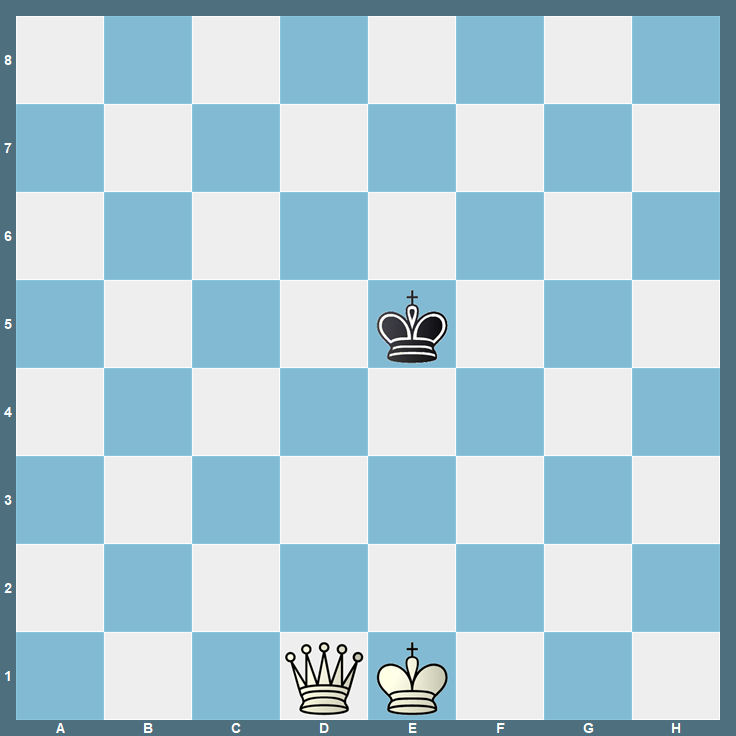
We start with the basic king and queen mate. This is the most important ending you need to master in order to play a good game of chess. In one sense, everything else follows from this. It also helps you to understand the difference between checkmate and stalemate: between winning and drawing the game. You’ll also ned to know the (slightly harder) checkmate with king and rook against king.
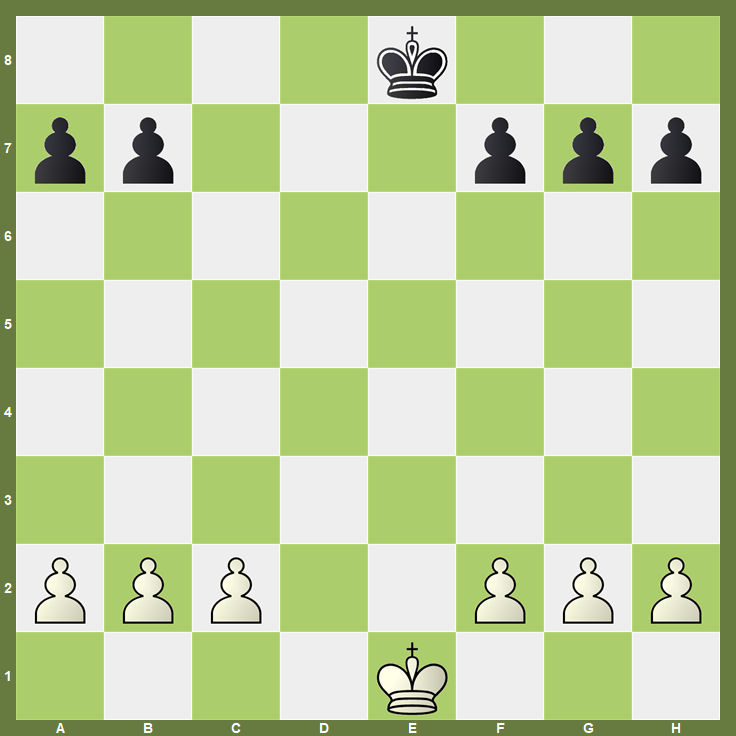
The next stage is to learn to master simple pawn endings. Starting with a position like this teaches you how easy it is, if you know how, to win an ending with an extra pawn. Try it again with different numbers of pawns, and pawns starting on different squares. A great way to learn, if you’re tech minded, is to analyse your games using an engine and compare your moves with the computer recommendations.
You’ll find more about these and other endings in our introductory book Chess for Heroes, and much more in Chess Heroes: Endings.
 Twickenham Library Junior Chess Club